Auto Start-Stop System: Manual Restart Required – A Comprehensive Guide
This guide details the auto start-stop system, addressing the frustrating “Manual Restart Required” message, its causes, and troubleshooting steps for vehicle owners today;
Understanding the Auto Start-Stop System
The Auto Start-Stop system is a fuel-saving technology designed to automatically shut off the engine when the vehicle comes to a complete stop, such as at traffic lights or in congestion․ This feature aims to reduce idling emissions and improve overall fuel efficiency․ However, several conditions can temporarily disable this system, requiring a manual restart․ These include an unfastened driver’s seatbelt, an open door or hood, or the transmission not being in ‘Drive’ (or neutral for manual transmissions)․
Furthermore, insufficient brake pedal pressure or a recent vehicle startup where the minimum speed hasn’t been reached can also deactivate it․ Understanding these factors is crucial when encountering the “Manual Restart Required” message, as it often indicates a temporary condition rather than a system malfunction․
How the System Works
The Auto Start-Stop system relies on sophisticated sensors and the vehicle’s computer to determine when to automatically shut down the engine․ When the vehicle stops and certain conditions are met – like the brakes being applied and the seatbelt fastened – the system cuts fuel delivery and deactivates combustion․ The starter motor is then poised to quickly and seamlessly restart the engine when the driver releases the brake pedal or steering wheel input is detected․
However, the system continuously monitors battery voltage and engine temperature․ If the battery is low or the engine is too hot or cold, the system prioritizes maintaining optimal operating conditions and will prevent auto-stop to ensure reliable restarts․

Benefits of Auto Start-Stop Technology
Auto Start-Stop technology delivers significant fuel efficiency gains, particularly in city driving with frequent stops and starts․ By eliminating idling, it reduces fuel consumption and lowers emissions, contributing to a greener driving experience․ This system also minimizes wear and tear on engine components, extending their lifespan․
Furthermore, the seamless operation of the system is designed to be unnoticeable to the driver, providing a comfortable and convenient driving experience․ While it places a demand on the battery, the benefits of reduced fuel costs and environmental impact make it a valuable feature in modern vehicles․
Common Causes for “Manual Restart Required” Message
The “Manual Restart Required” message often stems from low battery voltage, charging system faults, or extreme temperatures impacting engine operation and system functionality․
Low Battery Voltage
A primary culprit behind the “Manual Restart Required” message is insufficient battery voltage․ The auto start-stop system demands a consistently healthy battery to repeatedly restart the engine; If the battery’s voltage drops below a certain threshold, the system will deactivate and prompt a manual restart․
This can occur due to several reasons, including an aging battery, frequent short trips that don’t allow for full recharging, or leaving accessories running while the engine is off․ The system prioritizes essential functions, and a weak battery simply cannot reliably support the start-stop feature․ Addressing this issue often involves battery testing and potential replacement if it’s failing to hold a charge․
Charging System Issues (Alternator)
If the battery isn’t the direct problem, a faulty charging system – specifically the alternator – could be the root cause of the “Manual Restart Required” message․ The alternator is responsible for replenishing the battery’s charge while the engine is running․
If the alternator isn’t functioning correctly, the battery won’t receive adequate charging, leading to a gradual voltage drop․ This mimics the symptoms of a weak battery, causing the auto start-stop system to deactivate; Diagnosing alternator issues requires testing its output voltage under load․ A failing alternator prevents the system from reliably restarting the engine, necessitating a manual intervention․
Temperature Extremes – Engine Too Hot or Cold
The auto start-stop system intelligently considers engine temperature before activating․ Extreme temperatures, both hot and cold, can temporarily disable the feature to prioritize engine health and optimal operating conditions․ When the engine is excessively cold, the system may delay activation to allow for proper warm-up․
Conversely, if the engine overheats, the system will deactivate to prevent further strain and potentially damaging the engine․ In these scenarios, the system diverts available electrical current towards temperature regulation – running the heater or cooling fan – rather than restarting the engine․ This ensures the engine reaches and maintains a safe operating temperature․

External Factors Triggering System Deactivation
Various external conditions can temporarily disable auto start-stop, including unfastened seatbelts, open doors, and transmission position, ensuring safety and functionality․
Unfastened Seatbelt
The auto start-stop system prioritizes safety, and a primary safety feature is the proper use of seatbelts․ Consequently, the system will immediately deactivate if the driver’s seatbelt is unfastened․ This is a crucial preventative measure designed to ensure the vehicle doesn’t automatically restart and potentially move if the driver isn’t securely restrained․ The system anticipates that an unbuckled driver may be preparing to exit the vehicle or is otherwise not in a safe position for automatic engine restart․
This deactivation is instantaneous and will require a manual restart once the seatbelt is fastened․ It’s a consistent behavior across many vehicles equipped with this technology, serving as a constant reminder to buckle up before driving․ Ignoring this safety feature can lead to frequent interruptions of the auto start-stop function․
Open Doors or Hood
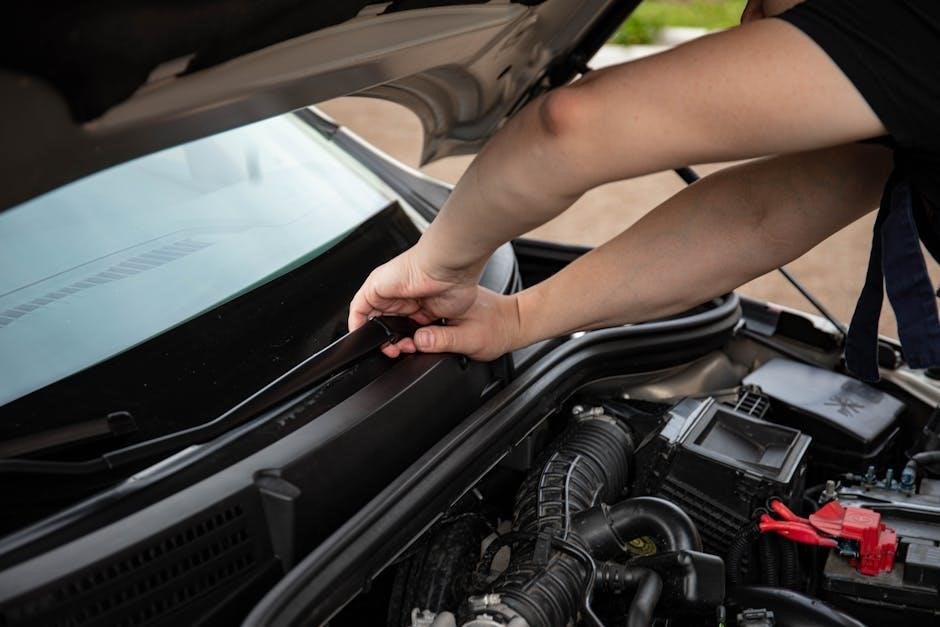
Similar to an unfastened seatbelt, an open door or the raised hood will immediately disable the auto start-stop functionality․ This is another critical safety precaution implemented by the vehicle’s system․ An open door suggests potential passenger activity or an unsafe exit/entry situation, while an open hood indicates ongoing maintenance or inspection․ In either scenario, an automatic restart could pose a significant hazard․
The system’s logic prevents restarting the engine when physical access to the vehicle’s interior or engine bay is compromised․ This ensures no accidental movement occurs during these times․ A manual restart is required only after all doors are securely closed and the hood is latched․ This consistent behavior reinforces the system’s commitment to occupant safety and prevents unintended operation․
Transmission Not in Drive (Automatic) or Neutral (Manual)
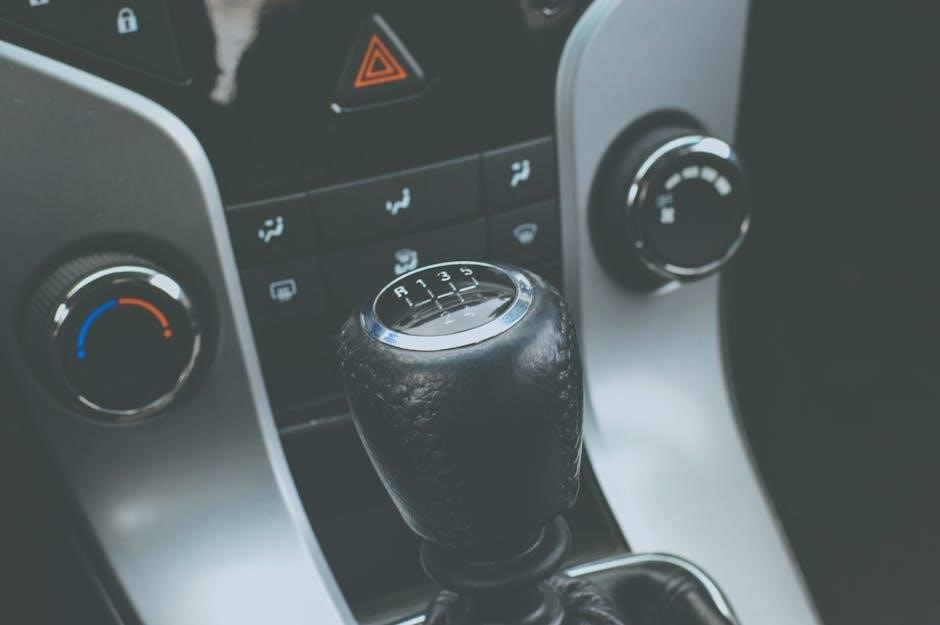
The auto start-stop system requires the vehicle to be in a specific gear to operate safely and effectively․ For automatic transmissions, this means being firmly in “Drive” (D)․ For manual transmissions, the gear must be in “Neutral․” If the transmission is in any other position – such as Park, Reverse, or a specific gear for a manual – the system will automatically deactivate and prevent automatic restarts․
This restriction is a fundamental safety feature․ Restarting the engine while in a gear other than Drive (automatic) or Neutral (manual) could cause unintended vehicle movement, potentially leading to an accident․ A manual restart is necessary once the correct gear is selected, confirming driver intent and ensuring a controlled start․ This prevents unexpected engagement and prioritizes safe operation․
Insufficient Brake Pedal Pressure
A consistent and adequate application of the brake pedal is crucial for the auto start-stop system to function correctly․ The system relies on detecting sustained brake pressure as a signal that the vehicle is intentionally stopped and ready for engine shutdown․ If the brake pedal pressure is too light or intermittent, the system will prevent the engine from turning off, or it may reactivate it immediately․
This safety measure prevents unintended engine stops and restarts during normal driving․ Insufficient pressure could indicate the driver isn’t fully intending to stop, or might be preparing to move․ A firm, steady brake application assures the system it’s safe to engage the auto start-stop feature․ A manual restart is often needed after releasing and reapplying the brake․
Recent Vehicle Startup – Minimum Speed Not Reached
The auto start-stop system often disables immediately after a vehicle startup, requiring a brief driving period before activation․ This is a deliberate design feature to allow the engine to reach its optimal operating temperature and for various systems to complete self-checks․ Until a minimum speed is achieved since the last complete stop, the system remains inactive․
This initial period ensures stable engine operation and prevents unnecessary cycling of the start-stop function․ The system needs to confirm all parameters are within acceptable ranges before engaging․ A “Manual Restart Required” message may appear if the vehicle is repeatedly stopped and started without reaching this minimum speed threshold, prompting driver intervention․
Electrical System Load and Auto Start-Stop
High electrical demands from accessories or climate control can disable the auto start-stop feature, prioritizing essential systems over fuel-saving functionality․
High Power Draw from Accessories
The auto start-stop system intelligently monitors your vehicle’s electrical load․ When numerous accessories are active simultaneously, they can create a significant power drain on the battery and charging system․ This increased demand forces the system to temporarily deactivate the start-stop function to ensure sufficient power remains available for critical vehicle operations․ Examples include running the heated seats, rear defroster, headlights, and the infotainment system at high volume all at once․
Essentially, the system prioritizes maintaining essential functions over the fuel-saving benefits of auto start-stop․ If the system detects excessive power consumption, it will prevent the engine from shutting off during stops, and may display a “Manual Restart Required” message if the conditions persist․ Reducing accessory usage can often resolve this issue․
Impact of Climate Control Systems
Your vehicle’s climate control system, whether heating or air conditioning, significantly impacts the auto start-stop functionality․ When the engine is off during an auto-stop event, the climate control system relies entirely on the battery for power․ If the engine is too hot, the system may run fans to cool it, demanding extra energy․ Conversely, in cold weather, it might use electrical heaters to warm the cabin or engine, again increasing the load․
The auto start-stop system will often deactivate to ensure the climate control can maintain the desired temperature․ This prioritization prevents discomfort and protects the battery from excessive drain․ A “Manual Restart Required” message can appear if the system repeatedly attempts to restart but finds the battery unable to support both functions․

Diagnostic Tools and Techniques
Utilizing an OBD-II scanner is crucial for diagnosing auto start-stop issues, revealing valuable fault codes and pinpointing the root cause of problems․
Using an OBD-II Scanner
An On-Board Diagnostics (OBD-II) scanner is an invaluable tool when troubleshooting the auto start-stop system․ These scanners connect to your vehicle’s diagnostic port, typically located under the dashboard, and allow access to the car’s computer data․ The primary function is to retrieve Diagnostic Trouble Codes (DTCs) that are stored when a fault is detected within the system․
Modern scanners range from basic, affordable models to more advanced units with features like live data streaming and bidirectional control․ To use a scanner, simply plug it into the port, turn the ignition on (engine off), and follow the scanner’s on-screen prompts to initiate a scan․ The scanner will then display any stored DTCs, providing a starting point for further investigation․
Reading Diagnostic Trouble Codes (DTCs)
Once the OBD-II scanner has completed its scan, it will present any stored Diagnostic Trouble Codes (DTCs)․ These codes are alphanumeric identifiers that pinpoint specific areas of concern within the auto start-stop system․ It’s crucial to record all DTCs accurately, as they provide vital clues for diagnosis․
DTCs often require further research to understand their precise meaning․ Online databases and repair manuals can help decode these codes, revealing the specific component or circuit experiencing issues․ Remember that a single DTC might not be the root cause; it could be a symptom of a larger problem․ Analyzing multiple codes in conjunction can offer a more comprehensive understanding of the system’s malfunction․
Interpreting Error Codes Related to Start-Stop
Error codes related to the auto start-stop system frequently point towards battery issues, such as low voltage or a failing battery․ Codes related to the charging system, specifically the alternator, indicate a problem maintaining sufficient power․ Temperature-related codes suggest the engine is operating outside the optimal range for start-stop functionality․
Other codes might highlight issues with sensors, like the brake pedal position sensor or the vehicle speed sensor․ These sensors provide crucial data for the system’s operation․ It’s important to note that some codes may be generic, while others are manufacturer-specific, requiring specialized diagnostic tools and knowledge for accurate interpretation․
Troubleshooting Steps for Owners
Owners can initially check battery connections, visually inspect wiring, and monitor battery voltage with a multimeter to diagnose start-stop system issues independently․
Checking Battery Connections
Begin by visually inspecting the battery terminals for any signs of corrosion, which can impede electrical flow and trigger the “Manual Restart Required” message․ Ensure the connections are tight and secure; loose connections are a common culprit․
Carefully disconnect and reconnect the terminals, cleaning them with a wire brush or a specialized battery terminal cleaning tool to remove any buildup․ A weak connection prevents sufficient power delivery to the auto start-stop system during restarts․

Also, examine the battery cables themselves for damage, such as fraying or cracks․ Damaged cables can cause intermittent power loss․ Confirm the battery is properly mounted and secured, as movement can also loosen connections․
Visual Inspection of Wiring Harnesses
A thorough visual inspection of the wiring harnesses associated with the auto start-stop system is crucial․ Look for any signs of damage, including frayed wires, cracked insulation, or loose connectors․ Pay particular attention to the wiring near the battery, starter, and engine control unit (ECU)․
Rodent damage is a surprisingly common issue, so check for chewed wires․ Carefully trace the harnesses, looking for any areas where they may be rubbing against metal components, which can cause wear and tear․
Ensure all connectors are securely fastened and free from corrosion․ A damaged or loose connection can disrupt the communication between system components, leading to the “Manual Restart Required” error․
Monitoring Battery Voltage with a Multimeter
Utilizing a multimeter to monitor your battery’s voltage provides valuable insight into its health and ability to support the auto start-stop system․ With the engine off, a healthy battery should read approximately 12․6 volts․ A reading below 12․4 volts suggests a partial discharge, while anything below 12․0 volts indicates a significantly discharged battery․
Next, check the voltage while the engine is running; it should be between 13․7 and 14․7 volts, confirming the alternator is properly charging the battery․
Low voltage can directly trigger the “Manual Restart Required” message, as the system needs sufficient power to operate effectively․

Preventative Maintenance for Auto Start-Stop Systems
Regular battery testing, alternator check-ups, and keeping software updated are crucial for maintaining optimal auto start-stop functionality and preventing issues․
Regular Battery Testing
The auto start-stop system heavily relies on a fully functional battery․ Frequent testing is paramount, as a weak battery is a primary cause of the “Manual Restart Required” message․ A standard voltage check with a multimeter can reveal a declining battery, but a load test provides a more comprehensive assessment of its ability to deliver consistent power under stress․
Consider professional battery testing at least twice a year, especially before extreme temperature changes․ Modern vehicles often have sophisticated battery monitoring systems; however, independent verification is still recommended․ Replacing the battery proactively, before it completely fails, can prevent unexpected system deactivations and potential starting problems․ Remember, the charging system works in tandem with the battery, so addressing battery health is a key preventative measure․
Alternator Check-Up
A properly functioning alternator is crucial for maintaining the battery’s charge, directly impacting the auto start-stop system’s reliability․ If the alternator isn’t delivering sufficient voltage, the battery will struggle to recover after each engine shutdown, eventually triggering the “Manual Restart Required” error․ A visual inspection should check for loose or corroded connections․
More thorough testing involves using a multimeter to measure the alternator’s output voltage while the engine is running – it should typically be between 13․5 and 14․5 volts․ Professional diagnostics can assess the alternator’s load capacity and identify any internal faults․ Ignoring alternator issues can lead to complete battery failure and leave you stranded, so regular check-ups are essential for preventative maintenance․
Software Updates (If Applicable)
Modern vehicles rely heavily on software to manage complex systems like auto start-stop․ Manufacturers often release updates to improve performance, address bugs, and enhance compatibility․ These updates can specifically target the start-stop system, refining its operation and resolving issues that cause the “Manual Restart Required” message․
Check with your vehicle’s manufacturer or dealership to determine if any software updates are available for your car’s model and year․ Applying these updates is a relatively simple process, often performed during a routine service visit․ Ignoring available updates could mean missing out on crucial fixes that prevent recurring problems with the auto start-stop functionality, ensuring smoother and more reliable operation․
When to Seek Professional Help
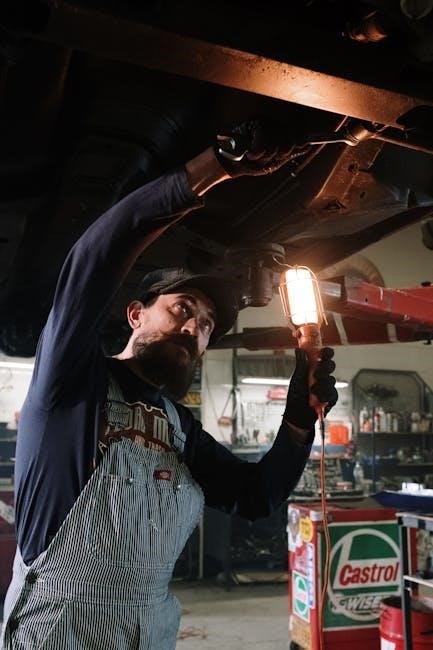
Persistent errors, recurring battery issues, or unidentified error codes necessitate a qualified technician’s diagnosis for your auto start-stop system’s concerns․
Persistent “Manual Restart Required” Message
If the “Manual Restart Required” message appears frequently, even after addressing common triggers like seatbelts or open doors, it signals a deeper issue․ This isn’t a simple inconvenience; it indicates the system consistently detects a problem preventing automatic restarts․ Ignoring this can lead to further complications and potential damage to the vehicle’s electrical system or battery․ A professional diagnosis is crucial to pinpoint the root cause, as it could stem from a failing battery, a malfunctioning alternator, or more complex electrical faults within the start-stop system itself․ Don’t delay seeking expert assistance – a persistent message demands investigation to avoid escalating problems and ensure reliable vehicle operation․
Recurring Battery Issues
Repeated battery problems, such as frequent jump-starts or a battery that quickly loses charge, are strong indicators of a failing battery or a charging system malfunction directly impacting the auto start-stop function․ The system heavily relies on a healthy battery to repeatedly restart the engine․ If the battery can’t hold a sufficient charge, the system will disable itself and potentially display the “Manual Restart Required” message․ A failing alternator, responsible for recharging the battery, exacerbates this issue․ Thorough battery testing and an alternator check-up are essential to determine if replacement or repair is needed, preventing further strain on the start-stop system and ensuring reliable vehicle operation․
Unidentified Error Codes
Encountering error codes related to the auto start-stop system that you cannot readily interpret signifies a need for professional diagnostics․ While an OBD-II scanner can retrieve Diagnostic Trouble Codes (DTCs), some codes require specialized knowledge and tools to accurately pinpoint the root cause․ These ambiguous codes could stem from sensor malfunctions, software glitches, or internal system failures within the start-stop mechanism․ Attempting to resolve these issues without proper expertise could lead to further complications or incorrect repairs․ A qualified technician possesses the necessary diagnostic equipment and expertise to decipher these codes and implement effective solutions, restoring the system’s functionality․